Thursday, February 29, 2024

A Comprehensive Guide to Solid Dose CDMO

solid dose cdmo 


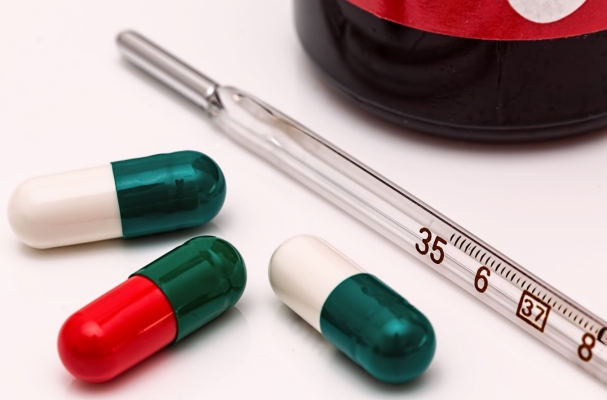
In the pharmaceutical industry, the journey from a molecule to a market-ready medication is complex and multifaceted. This is where Contract Development and Manufacturing Organizations (CDMOs) specializing in solid dose forms play a pivotal role. Solid dose forms, including tablets, capsules, and powders, are among the most common pharmaceutical formulations due to their convenience, stability, and patient compliance. A solid dose CDMO provides a comprehensive suite of services that span the entire drug development and manufacturing lifecycle. This blog explores how these organizations operate and the critical role they play in bringing new drugs to market.

The Role of Solid Dose CDMOs

A solid dose CDMO serves as a strategic partner for pharmaceutical companies, offering specialized expertise in formulation development, process optimization, manufacturing, and packaging of solid dosage forms. These organizations leverage their technical and regulatory expertise to streamline the path from early drug development to commercialization, enabling their clients to focus on their core competencies, such as drug discovery and marketing.

Key Services Offered by Solid Dose CDMOs

Formulation Development: The initial step involves developing a stable, effective formulation that ensures the bioavailability of the active pharmaceutical ingredient (API). This requires a deep understanding of the physicochemical properties of the API, as well as the excipients that will be used in the formulation.

Process Development and Scale-Up: After a formulation is developed, the process by which it will be manufactured on a commercial scale must be designed. This includes optimizing the blending, granulation, tableting, or encapsulation processes to ensure consistency, stability, and compliance with regulatory standards.

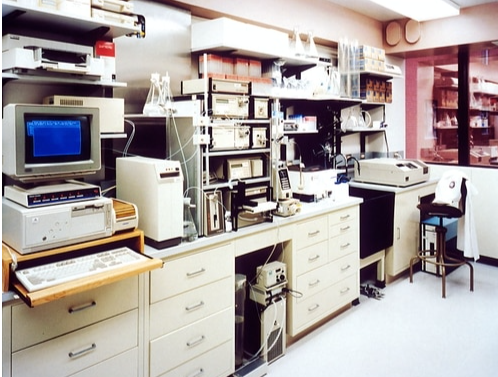
Analytical and Quality Services: Throughout development and manufacturing, rigorous analytical testing and quality control measures are essential. CDMOs provide comprehensive analytical services to ensure that each batch of product meets strict quality criteria, including purity, potency, and dissolution characteristics.

Regulatory Support: Navigating the complex regulatory landscape is a critical aspect of pharmaceutical development. Solid dose CDMOs assist with the preparation of regulatory submissions, ensuring compliance with the relevant guidelines and standards in different markets.

Manufacturing and Packaging: With state-of-the-art facilities, CDMOs manufacture solid dose products under Good Manufacturing Practice (GMP) conditions. They also offer flexible packaging solutions that can be tailored to meet the needs of their clients and the end-users.

The Benefits of Partnering with a Solid Dose CDMO

Partnering with a solid dose CDMO offers numerous benefits, including access to specialized expertise, cost and time efficiencies, and flexibility in scaling production volumes. This allows pharmaceutical companies to accelerate the development process, mitigate risks, and ultimately enhance their competitiveness in the market.

Conclusion

The pharmaceutical landscape is evolving rapidly, with increasing demand for efficient, reliable, and cost-effective drug development and manufacturing solutions. Solid dose CDMOs are at the forefront of meeting this demand, providing a critical bridge between drug discovery and patient delivery. By leveraging their comprehensive services, pharmaceutical companies can navigate the complexities of drug development and manufacturing, bringing effective, high-quality medications to market faster and more efficiently.


Friday, January 26, 2024

CDMOs: Solid Dose vs. Liquid Dose Manufacturing

liquid dose manufacturing, solid dose cdmo

In the complex world of pharmaceuticals, the manufacturing process is a pivotal point that can affect the effectiveness, stability, and delivery of a drug. This landscape is primarily divided into two key categories: solid dose and liquid dose manufacturing. Being able to discern the differences between the two approaches is important for pharmaceutical firms that are striving to optimize their drug development processes.

Solid dose manufacturing refers to the production of pharmaceuticals in solid form, such as tablets, capsules, or powders. The method is commonly used because it is convenient, stable, and easy to administer. For example, the oral drug delivery of tablets and capsules is valued for its ability to allow for more accurate dosages and better patient compliance.

The formulation process for solid doses involves the active pharmaceutical ingredient (API) that is blended with different excipients so it can have a consistent blend, as well as have the right flow properties and good dissolution characteristics, all of which are important for ensuring the drug is dispersed evenly throughout the dosage unit, and that it acts the same every time it is administered to promote consistent therapeutic performance.

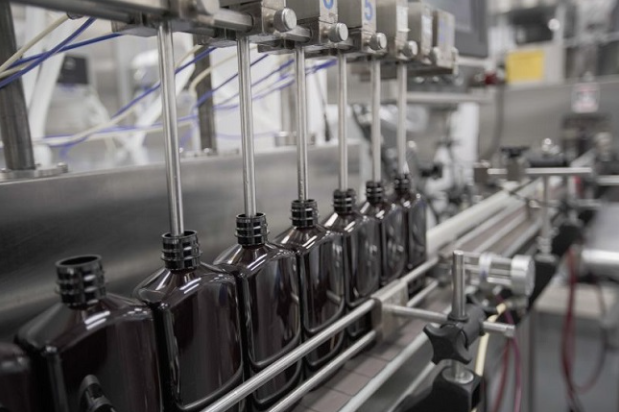
Meanwhile, liquid dose manufacturing consists of drugs in liquid form –such as syrups, suspensions, and solutions. Liquid formulations provide the advantage of faster absorption and are easier to swallow, for instance, which makes them ideal for patients including young children and the elderly, who might have trouble with solid doses.

In liquid dose manufacturing, the active pharmaceutical ingredient (API) is dissolved or suspended in a liquid medium. Flavoring agents and preservatives are routinely added to the mix. The quality of the mixture is crucial, as it has a direct bearing on the percentage of active ingredient in each dose and, consequently, the efficacy of the drug.

One key difference in the manufacturing processes of solid and liquid doses is the series of steps typically used to produce the final product of either kind. With solid dose manufacturing, those steps are likely to be granulation, blending, compression, and coating, in that order. Precision and control are needed at each step to ensure that the product has the desired physical and chemical properties. With liquid dose manufacturing, the focus is solubility, stability, and homogeneity. Formulation changes may be needed to improve the taste, appearance and shelf life of the liquid product. The production of liquid doses may require sterile conditions, so that the product is free of microbial contamination at the time of packaging.

The choice between solid and liquid dose manufacturing isn't always straightforward. It is influenced by numerous factors, including the drug and what it will be used to treat, the demographics of the patients it is meant for, and the therapeutic outcome desired. Solid doses are preferred for their convenience and stability. Liquid doses offer versatility in dosing and administration.

In conclusion, choosing between solid and liquid dose manufacturing is a crucial decision in any pharmaceutical setting. Neither approach comes without its challenges, nor is without its benefits. As pharmaceutical companies work to bring safe, effective and patient-friendly drugs to market, a better understanding of these differences is critically important. As technology and research continue to progress, both solid and liquid dose manufacturing will be integral in shaping the future of pharmaceutical development.

A CDMO Pharmaceutical Company Provides a Strategic Partnership

cdmo pharmaceutical company

In the dynamic sphere of pharmaceuticals, Contract Development and Manufacturing Organizations (CDMOs) are pivotal to the seamless and efficient production of drugs. A CDMO pharmaceutical company operates as a strategic partner to pharmaceutical and biotechnology companies, providing a spectrum of services across the entire drug development and manufacturing lifecycle.

At its essence, a CDMO represents a specialized organization that extends full services to the pharmaceutical industry. The journey begins with drug development, as CDMOs provide support during the formulation and optimization of the drug candidate. This is a joint effort between the pharmaceutical client and the CDMO’s team of experts, which includes chemists, pharmacologists and formulation scientists.

The CDMO then takes charge of manufacturing as soon as a promising drug candidate is identified. This encompasses the production of both drug substances and drug products, in keeping with rigorous quality standards and regulatory requirements. CDMOs leverage their state-of-the-art facilities to ensure the production process — supporting capacities, advanced technologies and talented expertise — remains scalable and efficient.

One of the most immediate benefits of partnering with a CDMO is the freedom it gives pharmaceutical companies. By using the facilities of a CDMO, instead of having to invest heavily in their own manufacturing infrastructure, companies save on capital expenses, without increasing their time-to-market. In an industry such as pharmaceuticals, where rapid response to market demand and regulatory changes is a must, flexibility is paramount.

Regulatory landscape. CDMOs are able to draw on their extensive experience in working with the various regulatory bodies to ensure their manufacturing processes are in compliance with the guidelines set forth by the likes of the Food and Drug Administration (FDA) (U.S.) and the European Medicines Agency (EMA) (Europe). This means that their pharmaceutical clients will find that they can sail through the approval process and to market far more quickly than they could through any alternative means.

Whether you need solid or liquid dose manufacturing, CDMOs have you covered. They also often expand their services to include the packaging, the labeling and even the distribution. Meaning their pharmaceutical clients are free to concentrate on the things that they know best, such as their research, as well as their marketing, while they leave the really technical stuff to their CDMO.

In conclusion, CDMOs are true enablers of pharmaceutical innovation, supporting drug development and manufacturing from start to finish and across an incredible array of services. Their expertise in the life sciences and pharmaceutical industry, combined with the ability to offer flexible capacities, high-quality output and more, provides pharmaceutical companies with a significant advantage. With CDMOs providing this strong support, a pharmaceutical company can bring innovative, life-saving pharmaceuticals to market efficiently and effectively. As the pharmaceutical industry continues to evolve, pharmaceutical companies and CDMOs will remain joined forever in the success of drug development and manufacturing.

Tuesday, December 26, 2023

The Advantages and Disadvantages of CDMO Pharmaceutical Companies

cdmo pharmaceutical company


Contract manufacturing, where companies outsource their production to specialized manufacturers, offers both advantages and disadvantages. Sovereign Pharmaceuticals, a leading CDMO Pharmaceutical Company in America, recognizes the nuances of this approach and remains committed to exceeding quality standards for its customers.


Advantages of Contract Manufacturing


High-Quality Products:

Contract manufacturers, experts in their field, produce high-quality products at reduced costs. This allows companies to deliver superior products to consumers without compromising on quality.


Focus on Selling Activities:

Pharmaceutical Contract Manufacturing enables companies to concentrate on sales and marketing. By outsourcing manufacturing tasks, businesses can dedicate more time and resources to product promotion and facing market competition.


Easy Market Entry:

Overcoming trade barriers becomes easier through contract manufacturing. Companies gain access to various markets by outsourcing manufacturing to local contract manufacturers, facilitating a smoother entry into different countries.


Cost Savings:

Contract Manufacturing eliminates the need for significant capital investment in production facilities. Companies save on labor costs associated with training and wages by outsourcing manufacturing activities to lower-cost countries.


Disadvantages of Contract Manufacturing


Lack of Flexibility:

Companies lose flexibility in responding to market conditions when reliant on contract manufacturing. Fluctuations in demand become challenging to address, as they lack direct control over the manufacturing process and supply chain.


Challenges with Outsourcing:

Outsourcing involves dealing with contract manufacturers from diverse countries, each with its own traditions, cultures, lead times, and languages. Managing this diversity can be complex for companies.


Late Deliveries:

Contract manufacturers handle large-scale production for multiple companies, leading to potential delays in fulfilling orders. The extensive production scale may result in difficulties meeting deadlines for specific companies.


While Sovereign Pharmaceuticals remains dedicated to providing top-tier pharmaceutical solutions, It's crucial for cdmo pharmaceutical companies to weigh the advantages and disadvantages of contract manufacturing based on their specific needs. The company invites visits to its upgraded facilities and encourages discussions about tailoring production and development solutions to meet diverse requirements. Contact Sovereign Pharmaceuticals for your solid dose cdmo and liquid manufacturing cdmo needs.


The Future Outlook of CDMO Pharmaceutical Companies

cdmo pharmaceutical company


The pharmaceutical industry is witnessing a shift in manufacturing strategies as companies increasingly turn to contract manufacturers (CM) to optimize production costs. Sovereign Pharmaceuticals, a leading CDMO Pharmaceutical Company in America, stands at the forefront of this trend, emphasizing quality, regulatory compliance, and customer-centric approaches.


Incorporating Advanced Technologies

To enhance performance and efficiency, contract manufacturers are embracing artificial intelligence and other technological innovations. The integration of e-platforms streamlines production timelines, ensuring quicker delivery of pharmaceutical products.


Securing Electronic Communication

While electronic communication offers efficiency, concerns about data security persist. Contract manufacturers are adopting secure channels to safeguard sensitive designs and production information from potential threats.


Real-time Remote Monitoring

The evolution of Contract Manufacturing introduces real-time, remote tracing facilitated by the Internet of Things (IoT). This enables pharmaceutical companies to monitor production processes remotely, enhancing oversight of the supply chain.


Blockchain Integration

Contract manufacturers are enhancing technology safety by integrating cybersecurity mechanisms like blockchain. Blockchain's ledger system facilitates the scanning and recording of barcodes at every step, ensuring transparency and security in the pharmaceutical supply chain.


Specialized Services for Niche Markets

Contract manufacturers are focusing on personalized medicines for small-batch pharmaceutical manufacturing. This shift from generic treatments allows tailored solutions for specific diseases, promoting more effective healthcare options.


Late-stage Customization

The pharmaceutical contract manufacturing landscape is evolving with the introduction of late-stage customization. This approach minimizes errors by assembling products in the final stages, ensuring compliance with current legislation for packaging and labeling.


Sovereign Pharmaceuticals aligns with these industry advancements, prioritizing customer needs and continuously upgrading facilities and equipment. The company invites visits to its facilities and encourages discussions on how it can meet diverse production and development requirements. For cutting-edge pharmaceutical solutions, Sovereign Pharmaceuticals is a reliable partner—contact them today to explore collaborative opportunities.


Thursday, November 30, 2023

Liquid Manufacturing CDMO: A More Fluid Approach

liquid manufacturing cdmo

In the ever-evolving landscape of the pharmaceutical industry, the choice between solid dose and liquid formulations has significant implications for drug development and manufacturing. Contract Development and Manufacturing Organizations (CDMOs) specializing in liquid manufacturing bring a unique set of benefits to the table, offering a fluid approach that can be advantageous in various aspects compared to their solid dose counterparts.


One of the standout benefits of liquid manufacturing CDMOs lies in their ability to address challenges related to patient compliance. Liquid formulations, such as syrups, suspensions, and solutions, provide a more palatable and easily-administered option for patients, especially children and the elderly. This enhanced patient acceptability can lead to improved medication adherence, ultimately contributing to better treatment outcomes.


The versatility of liquid formulations is another key advantage. Unlike solid doses that may pose challenges in terms of adjusting dosage or delivering certain drug combinations, liquid formulations offer greater flexibility. This flexibility is particularly crucial in pediatric medicine, where dosage adjustments based on age and weight are common. Liquid manufacturing CDMOs excel in tailoring formulations to meet specific patient needs, providing a level of customization that can be challenging to achieve with solid doses.


Bioavailability, or the rate and extent to which a drug is absorbed, is a critical factor in drug efficacy. Liquid formulations often exhibit enhanced bioavailability compared to their solid counterparts. The rapid absorption of liquid medications can lead to quicker onset of action, which is especially important in acute treatment scenarios. Liquid manufacturing CDMOs leverage their expertise to optimize formulations for improved bioavailability, maximizing the therapeutic impact of the drug.


For pharmaceutical companies, the speed of development and time-to-market are crucial considerations. Liquid manufacturing CDMOs offer advantages in this regard as well. The formulation and production of liquid medications are often more straightforward and faster than the complex processes involved in solid dose manufacturing. This efficiency can translate to accelerated development timelines, allowing pharmaceutical companies to respond swiftly to market demands and regulatory requirements.


Additionally, the manufacturing of liquid formulations lends itself well to aseptic processing, reducing the risk of contamination. This is of particular importance for products that require sterile administration, ensuring the safety and efficacy of the drug.


In conclusion, the benefits of liquid manufacturing CDMOs compared to solid dose counterparts are compelling. From improved patient compliance and formulation flexibility to enhanced bioavailability and faster development timelines, the fluid approach offered by liquid manufacturing CDMOs is making waves in the pharmaceutical industry. As the demand for diverse and patient-centric drug formulations continues to grow, the role of liquid manufacturing CDMOs in shaping the future of pharmaceuticals is set to become increasingly pivotal.


Tuesday, November 21, 2023

Transforming Pharmaceutical Manufacturing: The Role of Solid Dose CDMO


solid dose cdmo


In the dynamic landscape of the pharmaceutical industry, innovation is not confined to groundbreaking drugs alone. The manufacturing processes that bring these medicines to life play a pivotal role in ensuring their efficacy, safety, and accessibility. One of the key players in this realm is the Contract Development and Manufacturing Organization (CDMO) specializing in solid dose forms.

Solid dose forms, such as tablets and capsules, constitute a significant portion of pharmaceutical products. The intricacies involved in their formulation, development, and manufacturing have led many pharmaceutical companies to leverage the expertise of Solid Dose CDMOs. These specialized organizations offer a range of services, from formulation development to scale-up production, providing a one-stop solution for companies looking to optimize their manufacturing processes.

Formulation development is the initial phase where the Solid Dose CDMO collaborates with pharmaceutical companies to design a dosage form that meets specific requirements. This involves selecting suitable excipients, optimizing drug release profiles, and ensuring stability. The CDMO's expertise in formulation can significantly accelerate the drug development timeline, allowing pharmaceutical companies to bring products to market more efficiently.

Scale-up production is another critical aspect where Solid Dose CDMOs excel. As a pharmaceutical product transitions from laboratory-scale batches to full-scale production, challenges such as maintaining product consistency and minimizing batch-to-batch variability become paramount. Solid Dose CDMOs leverage their experience and state-of-the-art facilities to seamlessly scale up production, ensuring that the final product meets regulatory standards and quality specifications.

One of the primary advantages of outsourcing solid dose manufacturing to CDMOs is the flexibility it provides to pharmaceutical companies. Instead of investing heavily in establishing and maintaining their manufacturing facilities, companies can focus on their core competencies – drug discovery and development. This flexibility allows for more agile responses to market demands, reduces capital expenditure, and mitigates the risks associated with in-house manufacturing.

Quality is non-negotiable in the pharmaceutical industry, and Solid Dose CDMOs understand this implicitly. These organizations adhere to stringent quality control measures, often surpassing industry standards. This commitment to quality ensures that the products manufactured meet regulatory requirements, instilling confidence in both pharmaceutical companies and end-users.

In conclusion, Solid Dose CDMOs are instrumental in transforming pharmaceutical manufacturing. Their specialized services in formulation development, scale-up production, and commitment to quality not only streamline the manufacturing process but also contribute to the overall efficiency and success of the pharmaceutical industry. As the industry continues to evolve, the partnership between pharmaceutical companies and Solid Dose CDMOs is poised to play an increasingly pivotal role in bringing innovative medicines to patients worldwide.

The Vital Role of CDMO Pharmaceutical Companies in Modern Drug Development

The pharmaceutical industry faces unprecedented challenges and opportunities, driven by rapid scientific advances, increasing regulatory com...